---
title: "How Internet Service Providers Can Benefit from an Email Newsletter"
date: 2025-06-02
author: "Rajesh Namase"
featured_image: "https://datafeature.com/wp-content/uploads/2025/06/how-internet-service-providers-can-benefit-from-an-email-newsletter-4.jpg"
categories:
- name: "Internet"
url: "/category/internet.md"
---
# How Internet Service Providers Can Benefit from an Email Newsletter
It might not sound exciting, but sending regular, thoughtful emails to your customers can make a real difference. A newsletter can help you keep customers, **share important info**, and **get fewer support requests**. In this article, we’ll look at why newsletters are useful for ISPs, what to include, and how to make sure your emails don’t end up in the spam folder.
## The Importance of Email Newsletters for ISPs
Most ISPs only email their users when something is wrong — **an outage**, **a billing issue**, or a **price change**. While these updates are necessary, they aren’t enough to build trust. Newsletters give you a chance to show the human side of your company, answer common questions before they become problems, and build a better relationship with your customers.
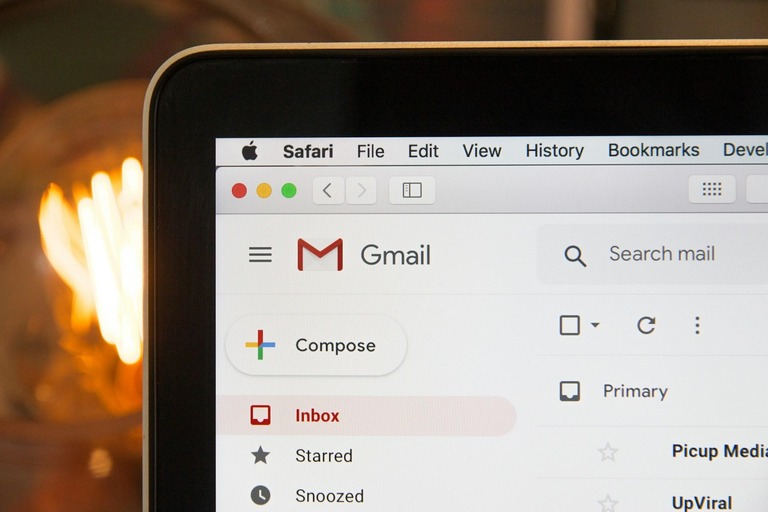
Here are a few simple benefits of sending a regular email newsletter:
- **Prevent confusion** during outages by explaining what happened and what you’re doing about it
- **Reduce support tickets** by sharing answers to frequently asked questions
- **Increase customer loyalty** by offering useful tips and updates
- **Keep your brand top-of-mind** without pushing a sale
According to **[Statista](https://www.statista.com/statistics/456500/daily-number-of-e-mails-worldwide/)**, global revenue from email marketing continues to grow year after year, and while most people associate it with retail or media, ISPs can benefit just as much.
## What Should an ISP Include in a Newsletter?
Not sure what to send? Think of **[sending a mass email to customers](https://selzy.com/en/blog/email-blasts/)** as a casual check-in with them. You don’t need to reinvent the wheel every month. Here are a few simple ideas that actually help:
### 1. Service Updates (Without the Jargon)
Not every customer follows your status page. A newsletter is a great place to summarize what’s going on. Keep it short and clear:
“Last month, we upgraded our servers in the northeast to improve speeds during peak hours. If you’ve noticed smoother streaming — this is why.”
Avoid tech jargon unless your customers are **tech-savvy**. Be honest and specific without overwhelming them.
### 2. Practical Tips
Help people get the most out of their internet connection. This builds goodwill and reduces complaints.
- **How to test your internet speed**
- **How to position your router for better Wi-Fi**
- **When and why to reboot your modem**
These are the kind of things that seem small but make a big difference to people who aren’t tech experts.
### 3. FAQ of the Month
Pick a question your support team hears often, and answer it in plain language. For example:
“Why does my speed slow down at night?”
Many people use the internet after dinner to **stream videos** or **game online**. If you notice slower speeds during these hours, you’re not alone. We’re working to **[upgrade bandwidth](https://datafeature.com/network-bandwidth-vs-throughput/)** in affected areas—and here’s what you can do in the meantime.
This can prevent hundreds of support tickets and reduce frustration.
### 4. Company News (The Useful Kind)
No one wants to read about your office renovation. But if you’re **expanding to new regions**, **hiring more tech support staff**, or making changes that **improve service**—share it. Transparency builds trust. It’s that simple.
### 5. Customer Stories or Feedback
If a customer wrote in with a helpful tip or had a great experience, share it (with permission). It shows that you care and makes the company feel more approachable.
## How Email Newsletters Help with Technical Challenges?
Running an ISP means staying on **top of spam filters** and sender reputation. Believe it or not, sending a regular newsletter can actually help improve your email deliverability. ISPs who only email when something is broken may find that their emails get flagged as spam. This is because **low-frequency senders** can look suspicious to spam filters.
A consistent, clean newsletter tells email providers that you’re a trusted sender. Just make sure to:
- Use a proper reply-to address (**not noreply@**)
- Avoid using spammy subject lines (“**FREE SPEED UPGRADE**!!!” is a bad idea)
- Make it easy to unsubscribe (it’s better to lose a few uninterested readers than get flagged)
- If you’re still using outdated software to manage this, consider tools that help streamline communication with subscribers.
## What If You Don’t Have a Marketing Team?
You don’t need one. A single person can manage a newsletter if they keep it simple:
- Choose a day of the month to send it (like the **first Tuesday**)
- Pick 2–3 things to include (an **update**, a **tip**, a **FAQ**)
- Keep the design clean —text-only is fine
- Ask support reps what people are complaining about this week
It takes less than two hours a month to write a helpful email that goes out to thousands of people. You’ll save that time back in reduced customer service load.
## How Do Newsletters Help To Build Trust?
Let’s face it — no one loves their internet provider. But most people don’t switch unless they’re really unhappy. A newsletter is a small, regular reminder that you’re paying attention and that you care. You don’t need to be funny, clever, or flashy. You just **need to be useful**.
Over time, this builds a kind of quiet loyalty. It’s the same reason restaurants with good service get regulars, even if their menu isn’t fancy.
To put it simply, newsletters are a cheap, easy way to reduce churn. And churn is expensive. According to Wikipedia, **customer attrition** (churn) is one of the biggest problems in subscription businesses — including ISPs. **[Internet service providers](https://datafeature.com/best-internet-service-provider-in-usa/)** often focus on **infrastructure**, **support systems** and **pricing**. But communication is part of the service too. A well-written, helpful newsletter can **reduce support tickets** and remind people why they chose you in the first place.